
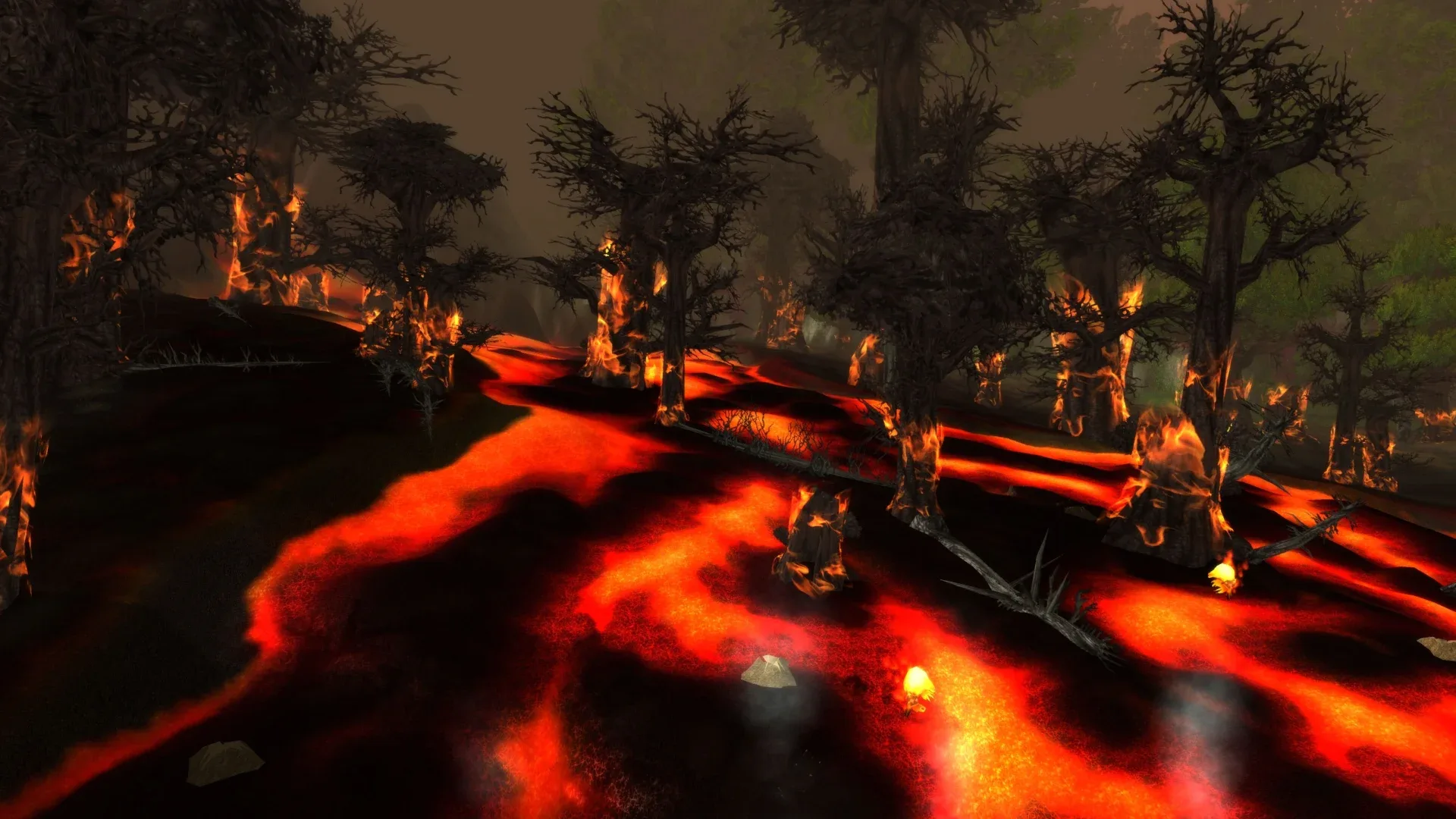
You’re entering a domain where ancient artifacts whisper secrets of a vast history, and the tales of Sylvanas and Arthas weave a complex moral fabric. Modern Azeroth is a land marred by the scars of the First War and reshaped by the Cataclysm, where new alliances and rivalries forge the narratives of today. From the orcs’ rise to the Lich King’s chilling reign, each corner of the map holds bitter echoes of the past, influencing the present. As you explore further, you’ll uncover how ancient forces and new threats shape the destiny of Azeroth and its heroes, hinting at untold adventures ahead.
Key Takeaways
- The Cataclysm drastically altered Azeroth’s landscape, impacting geopolitics and alliances.
- The Horde and Alliance’s ongoing conflict is central to Azeroth’s modern history.
- New races like Goblins and Worgen reflect the evolving nature of factional alliances.
- The Iron Horde invasion signifies a continuous struggle for survival and dominion.
- Heroes emerge to confront ancient forces and shape the future of Azeroth.
The Ancient Beginnings
How did Azeroth’s ancient beginnings shape the world our society understands today? It’s a tale woven through time, from the craggy peaks of Blackrock Spire to the bustling ports of Booty Bay. The ancient beginnings of Azeroth set the stage for all that was to follow, laying the foundations of a world where heroes like Sylvanas Windrunner and Arthas Menethil would emerge to play their pivotal roles.
In Khaz Modan, the dwarves unearthed relics of their origin, hinting at the vast history beneath our feet. Meanwhile, the tales of Sylvanas and Arthas not only add depth to the world but also introduce moral complexities that challenge players. These stories, rich with flavor lore, serve as a bridge between the ancient past and the present struggles, highlighting how decisions of yesteryears continue to echo across the lands.

Understanding Azeroth’s ancient beginnings isn’t just about piecing together a timeline; it’s about appreciating the intricate tapestry of lore that makes the world feel alive and dynamic. Every corner of the map, from the deepest dungeon to the highest peak, carries echoes of the past, inviting adventurers to uncover secrets that have shaped the world as it is understood today.
Rise of the Horde
Before exploring the era of heroes and villains that shaped Azeroth as we understand it, it’s essential to grasp the pivotal event known as the Rise of the Horde. This period marks a dark chapter where the once noble orc clans were manipulated, leading to the formation of a formidable force that would forever alter the landscape of Azeroth.
Christie Golden, among other authors, has contributed immensely to narrating this tumultuous time through novels that adhere to Blizzard’s strict lore policy. These narratives have been vital in bridging gaps within the official lore, offering fans a weekly lore feature that delves deeper into the machinations behind the Horde’s formation.

The Lich King’s subtle influences and the corruption of the orcish race are key elements that underscore the complexity of this era. Below is a table that highlights key aspects of the Rise of the Horde:
| Feature | Description | Impact on Azeroth |
|---|---|---|
| Orcish Unity | The unification of orc clans under a single banner. | Set the stage for conflict. |
| Corruption | The demonic corruption that tainted the orcs. | Led to the orcs’ bloodlust. |
| Strategic Alliances | Formation of alliances, both within and outside the Horde. | Enhanced military strength. |
| The Lich King | His behind-the-scenes influence on events. | Contributed to the Horde’s rise. |
| Christie Golden | Her contributions to the lore through novels. | Enriched the lore’s depth. |
As you follow Azeroth’s history, remember that the Rise of the Horde is more than a tale of conquest; it’s a cautionary story of manipulation, power, and the resilience of spirit.
The First War
After the Rise of the Horde, Azeroth faced its next monumental challenge during the First War, when the orcs first clashed with the human kingdoms. This was a pivotal moment in your journey through Azeroth’s history, marking the beginning of a conflict that would shape the destiny of both worlds.
The orcs, fueled by their demonic corruption, stormed through the Dark Portal, setting their sights on the rich lands of the Eastern Kingdoms. You’d find the kingdom of Stormwind at the forefront of this invasion, bearing the brunt of the orcs’ initial onslaught. Despite their valor and strength, the humans were unprepared for the ferocity and the sheer numbers of their adversaries.

As you explore further, you’ll uncover how the orcs, under the leadership of Blackhand, laid siege to Stormwind. The city’s defenses, led by Anduin Lothar, the Lion of Azeroth, fought valiantly but ultimately fell to the horde. This loss was not just a tactical defeat; it was a devastating blow to the morale of humanity, setting the stage for future conflicts.
The First War wasn’t just a clash of arms; it was the beginning of a deep-seated hatred and rivalry that would persist through the ages. It’s a critical chapter in your understanding of Azeroth’s lore, one that sets the groundwork for the epic tales that follow.
The Lich Kings Reign
Why did Azeroth tremble under the Lich King’s reign? It wasn’t just his chilling presence or the foreboding ice that encased his fortress of Icecrown. The Lich King, a being of immense dark power, had a plan that threatened the very fabric of life across the world. Here’s why:
- Unstoppable Army of the Dead: The Lich King’s ability to resurrect the fallen as part of his Scourge army meant that every casualty of war potentially bolstered his ranks. Heroes and villains alike fell, only to rise again under his command.
- Psychological Warfare: Beyond physical threats, the Lich King’s reign was marked by fear and despair. His whispers haunted the dreams of the living, eroding the will to resist.
- Strategic Brilliance: The Lich King wasn’t just a brute force; he was a master tactician. He orchestrated invasions and manipulations that kept his enemies divided and weak.
- The Plague of Undeath: This virulent disease was among his most terrifying weapons. It spread silently, turning friend against friend and decimating populations before the actual assault even began.
The Lich King’s reign was a dark chapter, marked by loss, fear, and the constant threat of death rising from the grave to join his ranks.
The Cataclysm and Beyond
How did Azeroth fare after the devastating event known as the Cataclysm? Well, you’d find its landscapes forever changed, its races struggling to rebuild, and new conflicts emerging from the chaos. The Cataclysm, caused by the Dragon Aspect Deathwing’s return, not only reshaped the geography of Azeroth but also set the stage for new alliances and rivalries.
As you ventured through the shattered world, you’d witness the resilience of Azeroth’s inhabitants. The Horde and the Alliance, still licking their wounds from past battles, found themselves facing not just the aftermath but also new threats. Ancient forces awakened, and heroes rose to challenge them, delving into lost territories and unearthing secrets long buried.
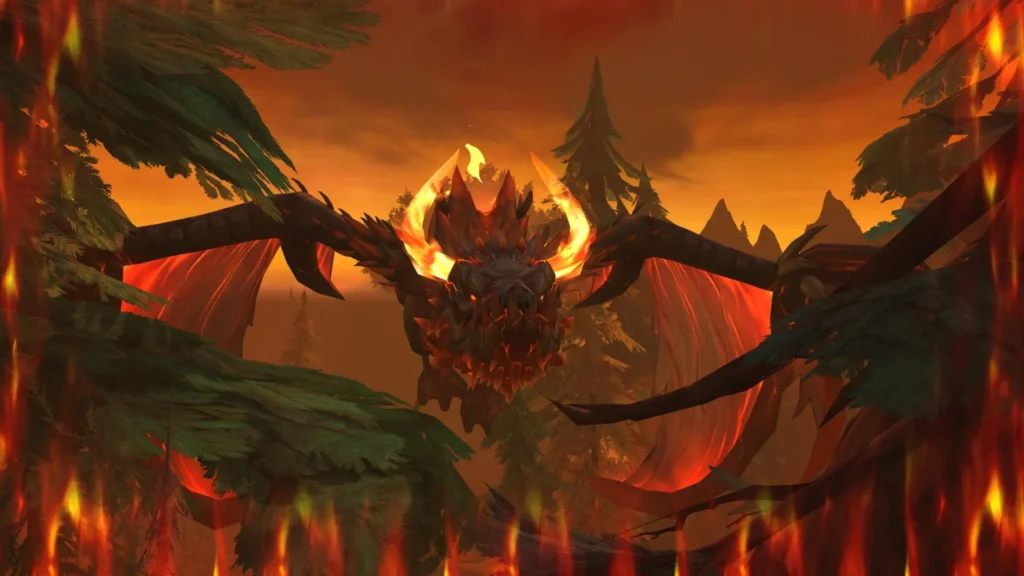
The aftermath of the Cataclysm wasn’t just about recovery; it was a time of exploration and discovery. New races joined the fray, such as the resourceful Goblins for the Horde and the noble Worgen for the Alliance. Together, they sought to heal Azeroth’s wounds and protect it from looming dangers.
Beyond the Cataclysm, Azeroth faced the invasion of the Iron Horde through the Dark Portal, leading into the era of the Warlords of Draenor. This time wasn’t just about survival; it was about securing the future of Azeroth against all odds.
Frequently Asked Questions
How Did the Introduction of Player Housing Impact the Socio-Political Dynamics Within Azeroth’s Major Cities?
Isn’t it fascinating? The introduction of player housing in Azeroth’s major cities reshaped their socio-political dynamics, fostering a sense of community while also highlighting divisions, as players’ in-game status began to reflect their virtual homesteads.
What Are the Environmental Implications of the Constant Battles and Magic Use in Azeroth on Its Ecosystems and Wildlife?
You’re wondering how Azeroth’s environment and wildlife are affected by endless battles and magic. These conflicts damage ecosystems, disrupt habitats, and can lead to magical pollution, impacting both flora and fauna critically.
How Has the Economy of Azeroth Evolved With the Introduction of New Continents and Races Into the Alliance and Horde?
You’ve noticed Azeroth’s economy’s evolved markedly as new continents and races joined the Alliance and Horde. It’s diversified trade, resources, and even currency, adapting to the ever-changing landscape and political dynamics of the world.
In What Ways Have the Various Class Changes and Introductions Throughout Expansions Influenced the Balance of Power Among Azeroth’s Factions?
Class changes and new introductions in WoW expansions have shifted Azeroth’s power dynamics, affecting both the Alliance and Horde. You’ve seen how these adjustments impact strategic gameplay and faction relations, altering the balance of power.
How Do the Lesser-Known Cultures and Societies of Azeroth Maintain Their Identities and Traditions in the Face of Overarching Horde and Alliance Conflicts?
In Azeroth’s vast melting pot, lesser-known cultures cling to their identities like a ship to a lighthouse. They celebrate unique traditions, languages, and beliefs, often secluded or in harmony, away from the Horde-Alliance storm.