
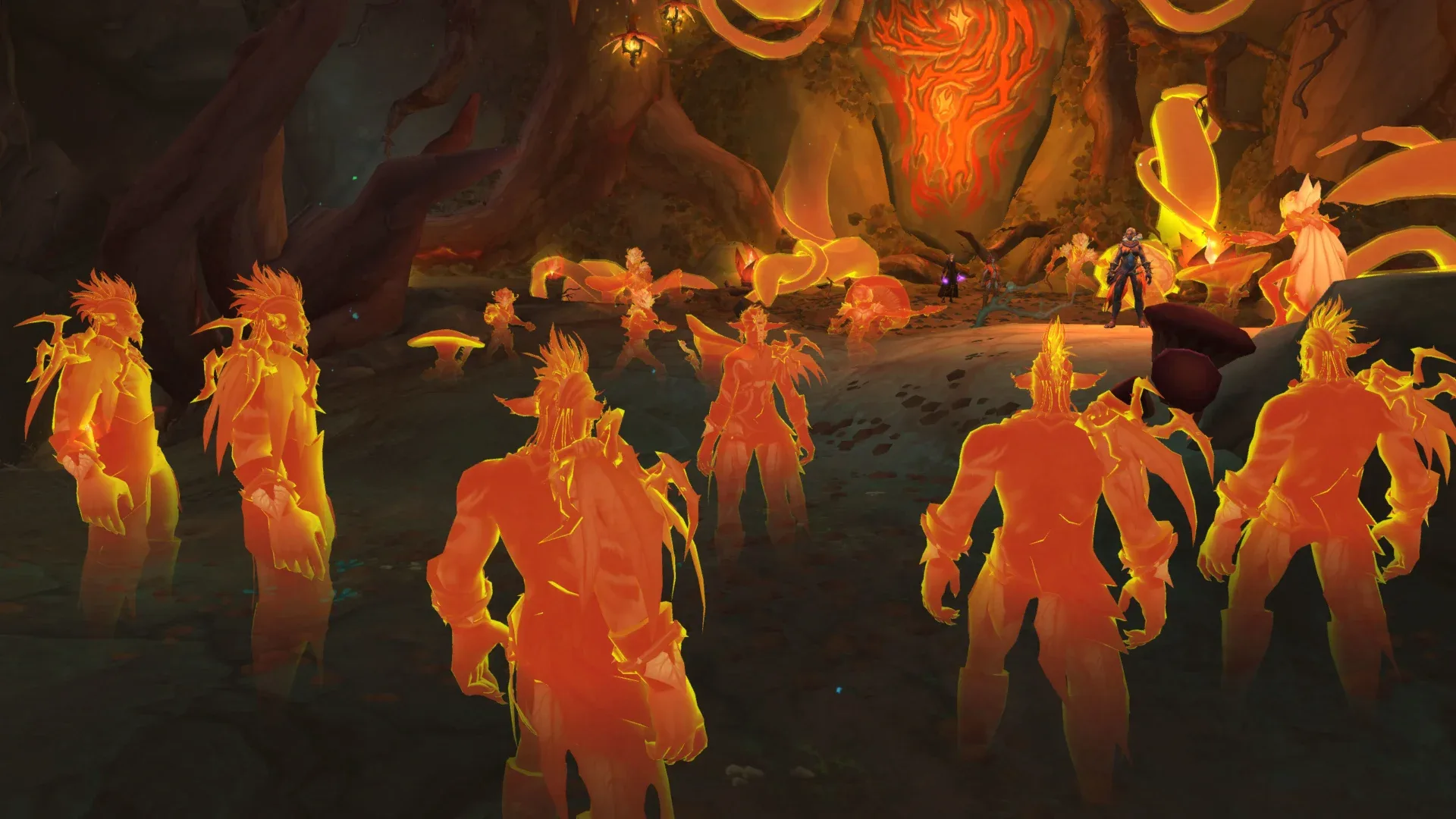
World of Warcraft exists in a unique tension between its deep history and its need to evolve. It is a game that is famous for its past, yet it continues to push forward with new systems, stories, and technologies every year. This guide examines how the development team balances this “nostalgia loop,” explaining how they pay homage to the game’s roots while ensuring that the current player experience feels fresh, modern, and exciting.
The Anchor of Familiarity
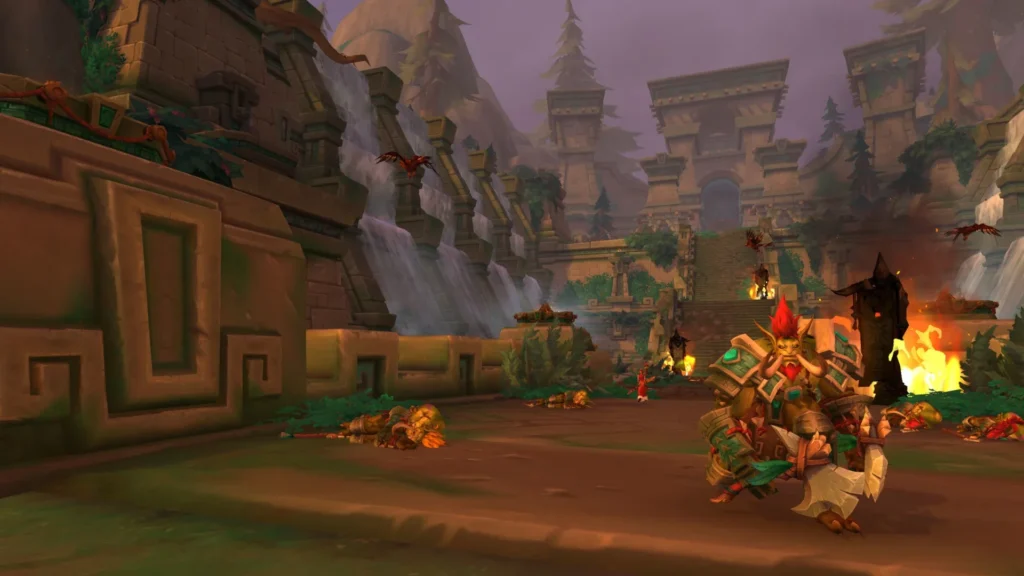
Nostalgia in WoW is built on geographic and social markers. Returning to a zone like Elwynn Forest or hearing a specific theme from the original soundtrack can instantly transport a veteran player back to their first day in Azeroth. By keeping these elements consistent—the architectural style of Stormwind, the classic sound design, and the established racial histories—the developers maintain a sense of continuity. This familiarity acts as an anchor; no matter how many new systems are added, the “soul” of the game feels recognizable. It is this core identity that allows the player to feel like they are still visiting the same world they fell in love with years ago.
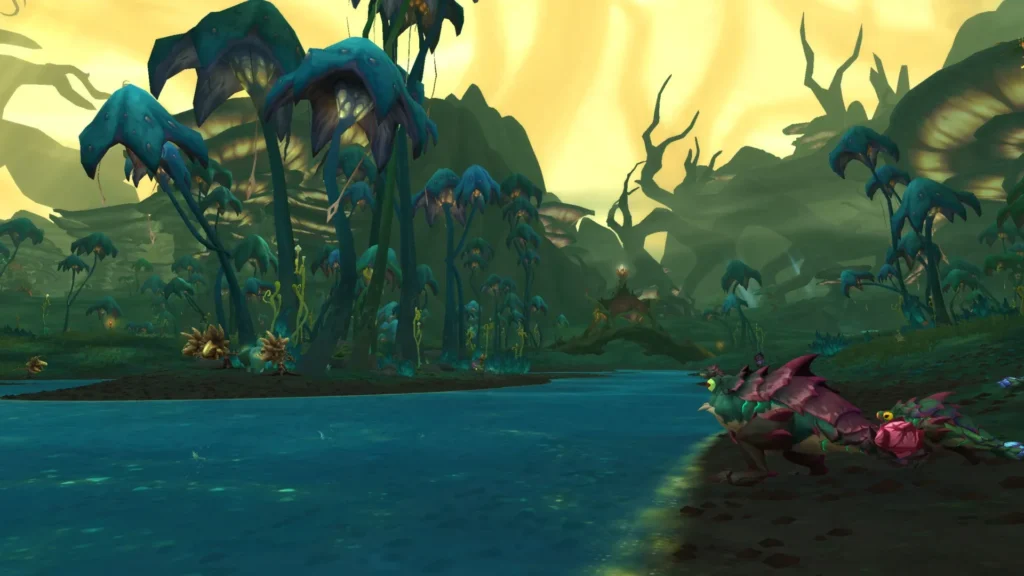
Simultaneously, the game reinvent itself through gameplay innovation. The introduction of systems like Mythic Plus, talent tree overhauls, and dynamic flying shows a willingness to discard old mechanics in favor of more modern, player-focused solutions. This reinvention is crucial. If the game never changed, the nostalgia would eventually turn into stagnation. By updating the “how” of the game while keeping the “where” consistent, the developers satisfy the need for new challenges while respecting the player’s connection to the world’s history.
Balancing Old and New
| Category | Nostalgia Element | Reinvention Element |
|---|---|---|
| Combat | Classic class archetypes. | Modern, fast-paced action. |
| Environment | Returning to iconic zones. | Updated textures and dynamic systems. |
| Social | Guild systems. | Community-wide seasonal goals. |
| Rewards | Classic weapon skins. | Modern transmog accessibility. |
Honoring the Past
The game honors its past through “Easter eggs” and callbacks. Whether it is a quest that references a character from twenty years ago or a raid that revisits an iconic dungeon, these moments provide a sense of narrative cohesion. They reward the veteran player for their long-term dedication, turning the timeline of the game into a sprawling, interconnected epic. This historical awareness ensures that the game’s growth feels earned rather than forced.
The Future of Azeroth
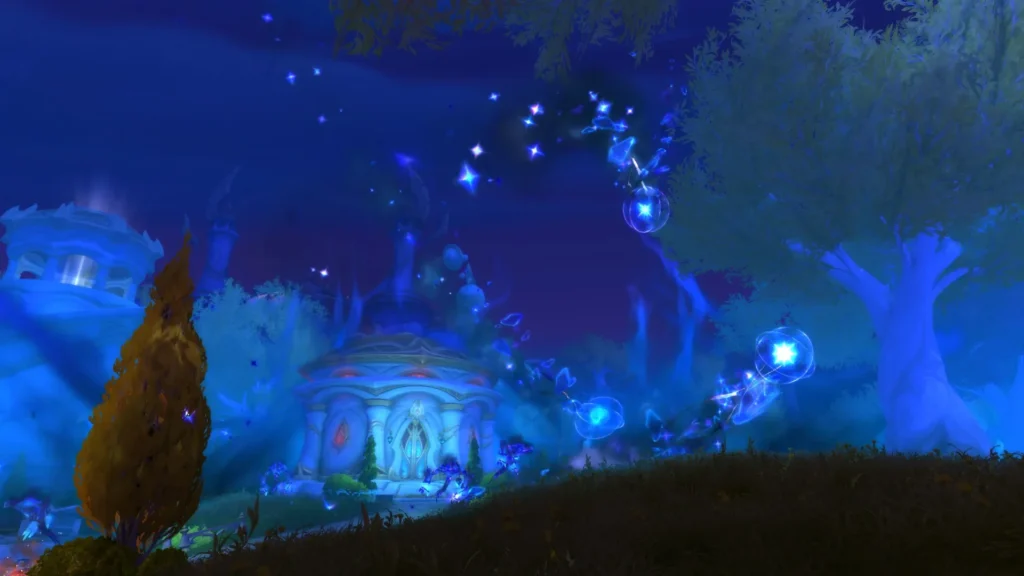
The secret to the game’s longevity is its ability to treat the past as a foundation, not a cage. By embracing reinvention, the developers ensure that the game remains competitive in a modern market, while the preservation of the game’s identity ensures that the veteran community never feels abandoned. This dual approach is why the game feels simultaneously timeless and cutting-edge, keeping the player base engaged as they move into the next decade of the game’s life.